

When people think about open-source projects, they usually think about code.
They imagine software engineers sitting at dark terminals, writing C++ for Bitcoin Core, building wallet interfaces, or patching Lightning implementations. It is easy to assume that writing code is the only way to make a real impact on the network.
Code is essential, but code sitting on GitHub changes nothing until people know how to use it safely.
A protocol built on self-sovereignty and user responsibility cannot survive without educators to bridge the gap between complex software and real human beings.
Software without education creates fear
Bitcoin replaces corporate safety nets with mathematical rules. There is no customer service number to call if you send funds to the wrong address, leak your seed phrase, or lose your backup words.
When new users step into that environment without guidance, one of two things usually happens:
- They give up control: They leave their money on centralized exchanges because holding their own keys feels too scary and complicated.
- They make avoidable mistakes: They store seed phrases in cloud notes, re-use addresses continuously, or fall for simple online scams.
This is not a technical failure of the software. It is an educational gap. If the tools are too intimidating for regular people to use safely, the decentralization of the network suffers.
Translating complexity into practical intuition
Good technical education is not about showing off how smart you are or dumping dense cryptography terms on beginners. It is about translation.
It is taking concepts like elliptic curve cryptography, UTXO selection, or air-gapped signing workflows and turning them into clear, actionable steps that anyone can follow.
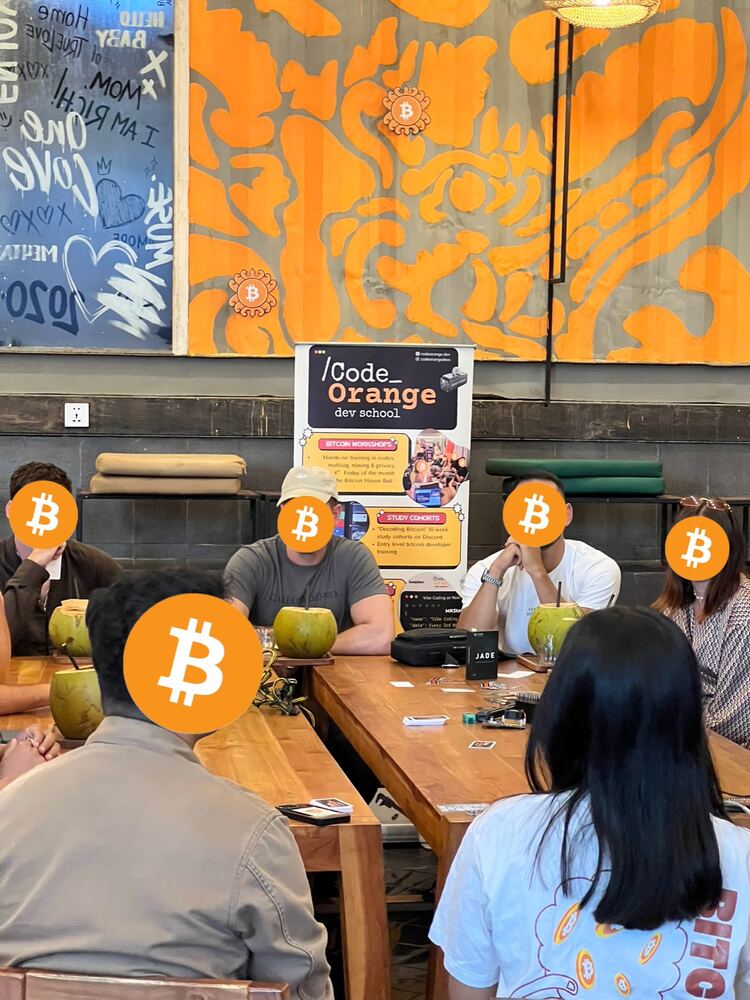
An educator’s job is to strip away the jargon and create space where people feel comfortable asking basic questions out loud. When an educator walks someone through setting up their first wallet, restoring from a paper backup, or running a command in a terminal, they are actively strengthening the network’s user base.
Education is an open-source contribution
You do not need to write C++ or compile Rust libraries to contribute to Bitcoin.
Teaching a local workshop, writing a clear guide, organizing a study group, or answering questions in a developer chat room are all critical open-source contributions. Every time an educator helps a user move off an exchange or helps a new programmer understand how transaction outputs work, they build the pipeline for the next generation of node runners and protocol contributors.
Open-source projects thrive when the doorway to entry is wide, clear, and welcoming.
Start teaching what you just learned
You do not need a decade of experience or a formal teaching credential to educate others. In fact, people who learned a concept last week are often better at explaining it than experts who forgot what it feels like to be confused.
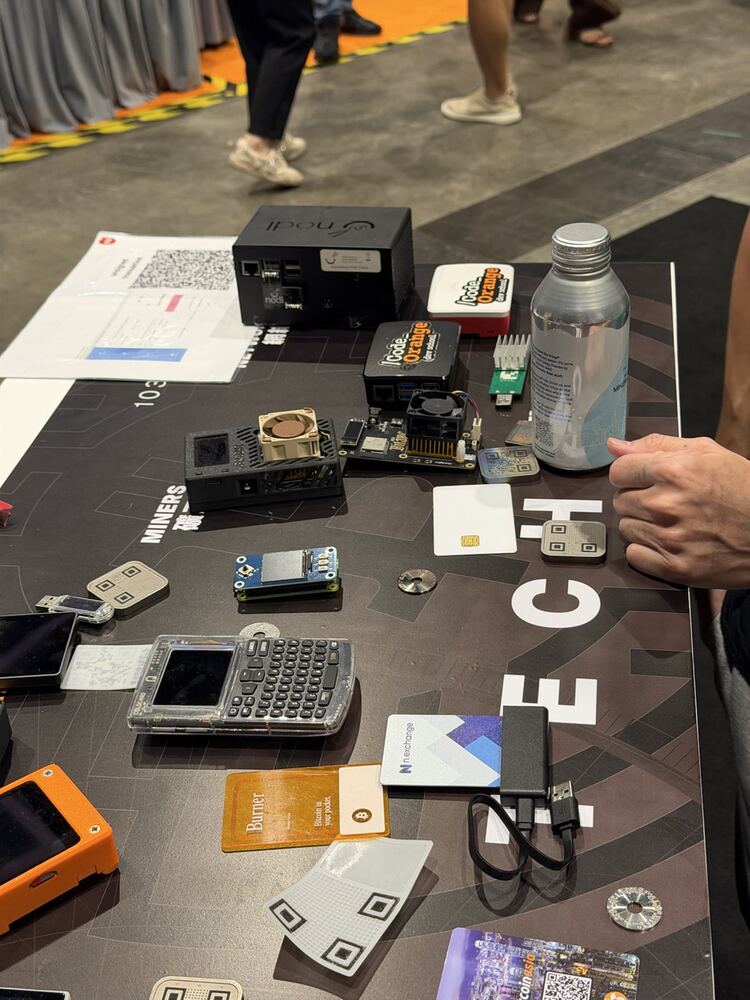
- Share your setup: At our local workshops and online Discord voice channels, people gather around tables with laptops, seed cards, and hardware tools to walk through setups together.
- Join a cohort: Drop into our Bitcoin Basics sessions on the Code Orange Calendar to see how we introduce self-custody step-by-step, or join the Decoding Bitcoin study group on Discord to learn alongside others.
Check out upcoming sessions on the Code Orange Calendar, or jump into our community on Discord and share what you are learning this week.
You do not need to know everything before you join. You just need to show up.
See you at the next one.