/Fellowships_
Fellowships for Bitcoin contributors.
A six-month stipend, mentor support, and time to work on one useful Bitcoin project. The goal is a strong record of work and a path to your own grant, job, or continued contribution.
Do the work. Show the work. Keep going.
Fellows choose a Bitcoin open-source or education project, meet with a mentor, and keep a simple record of what they did and learned.
Choose Your Track
Bitcoin needs builders and teachers.
The developer track turns serious students into upstream contributors. The educator track funds the people who run cohorts, host workshops, and multiply technical Bitcoin education in their own communities.
$512/month
For developers ready to deepen their role in one Bitcoin FOSS project with a scoped six-month plan, public proof of work, and mentor support.
- Show useful contribution evidence: code, review, testing, issue investigation, documentation, or research.
- Target privacy, wallet infrastructure, Lightning, node tooling, or another serious Bitcoin project.
- Build a sustained relationship with the project through review, testing, implementation, and constructive maintainer communication.
$256/month
For builders who can teach: run cohorts, host workshops, write materials, and help new contributors climb from curiosity into technical practice.
- Design a concrete education plan for a real group, city, or online cohort.
- Run regular sessions and log outcomes within 48 hours.
- Train at least one successor so the local scene keeps growing after graduation.
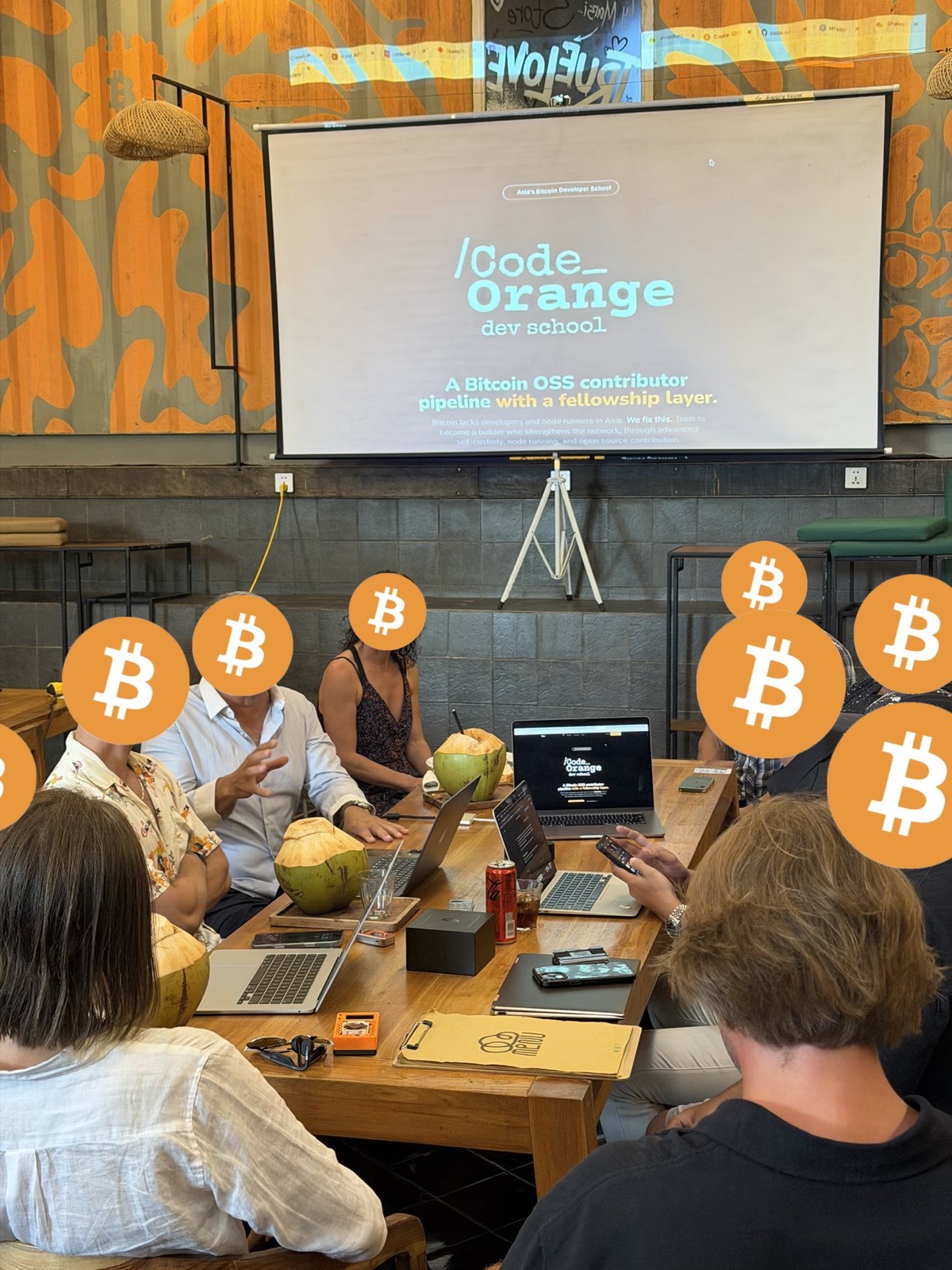
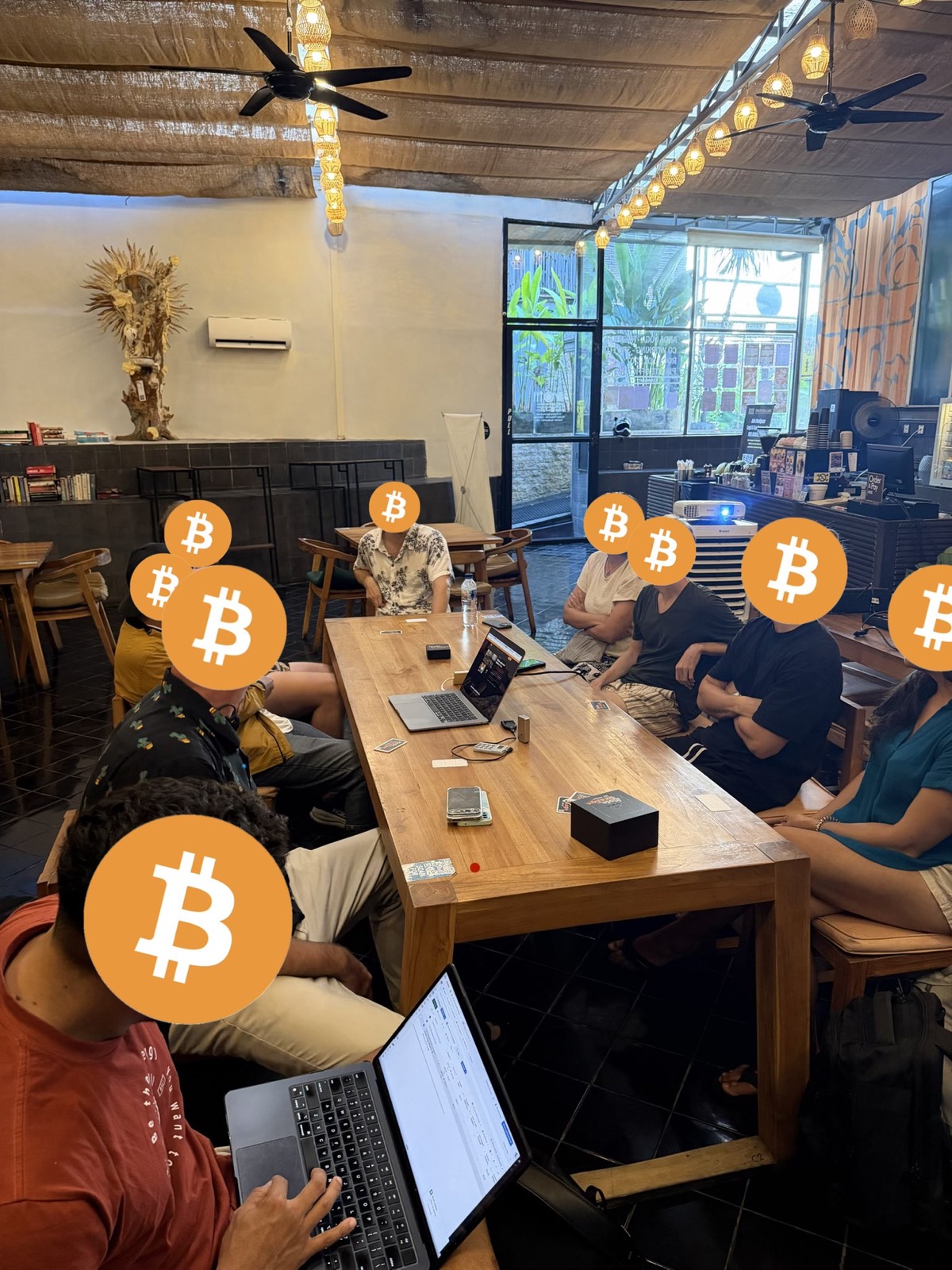
Fellowship pipeline roundtable
Website and program walkthrough
How It Works
What happens after you apply.
We confirm the project and mentor first. Fellows check in weekly. At Month 3, we look at the work and decide whether to continue, adjust the plan, or pause.
Show contributor readiness.
Developers choose a Bitcoin FOSS project and bring useful evidence: code, review, testing, issue investigation, documentation, or a clear technical walkthrough. Educators define what they will teach, who they will serve, and what proof of learning they will collect.
Send a proposal.
Use the GitHub template, include your GitHub or teaching evidence, explain the project target, and show a realistic six-month plan.
Onboard with a mentor.
Finalize scope, set weekly check-ins, prepare the environment, and ship the first reproducible artifact.
Contribute in public.
Every week creates evidence: code, reviews, tests, issue investigation, benchmarks, technical discussion, lesson material, participant progress, or a documented blocker with a next action.
Graduate into independence.
Publish the portfolio, present the work, request maintainer references, and prepare applications for OpenSats, HRF, Spiral, employers, or project-specific funding.
What Fellows Build
Useful Bitcoin work.
The repo prioritizes privacy and wallet infrastructure while staying open to serious Bitcoin FOSS. A strong proposal names the codebase, explains the user or protocol problem, and breaks the six months into review-sized deliverables.
Code Orange contributors have already opened serious Bitcoin FOSS work across the ecosystem.
The fellowship turns that early momentum into a six-month public record.
From 8 countries, with Southeast Asia priority and a path into alumni support.
Selection Rubric
What makes a strong application.
Seats depend on mentor capacity and project fit. Strong applicants show past work, choose a realistic scope, and communicate well. Developer fellows start with a Contributor Plan. We look at evidence and upstream feedback, not PR quotas.
Contribution evidence
Linked PRs, reviews, issues, tests, code reading, teaching logs, or a clear walkthrough of the target project.
Project fit and public value
Priority goes to privacy, wallet, node, Lightning, and other infrastructure work with a concrete user or protocol need.
Six-month scope
Milestones should fit upstream feedback loops. Small, reviewable, useful work beats ambitious fog.
Mentor and maintainer fit
A seat only opens when mentor capacity and project fit are real. Endorsements help, but the work plan matters most.
Regional impact
Peer support, workshop help, documentation, or a credible Southeast Asia knowledge-sharing plan.
Apply Professionally
Send a clear proposal.
Use the template. Include your past work, project idea, and six-month plan. Keep it short and specific.
The Standard
Apply when you are ready to be useful.
You do not need to be famous. You do need a real plan, proof that you can follow through, and the humility to work inside open-source feedback loops.