

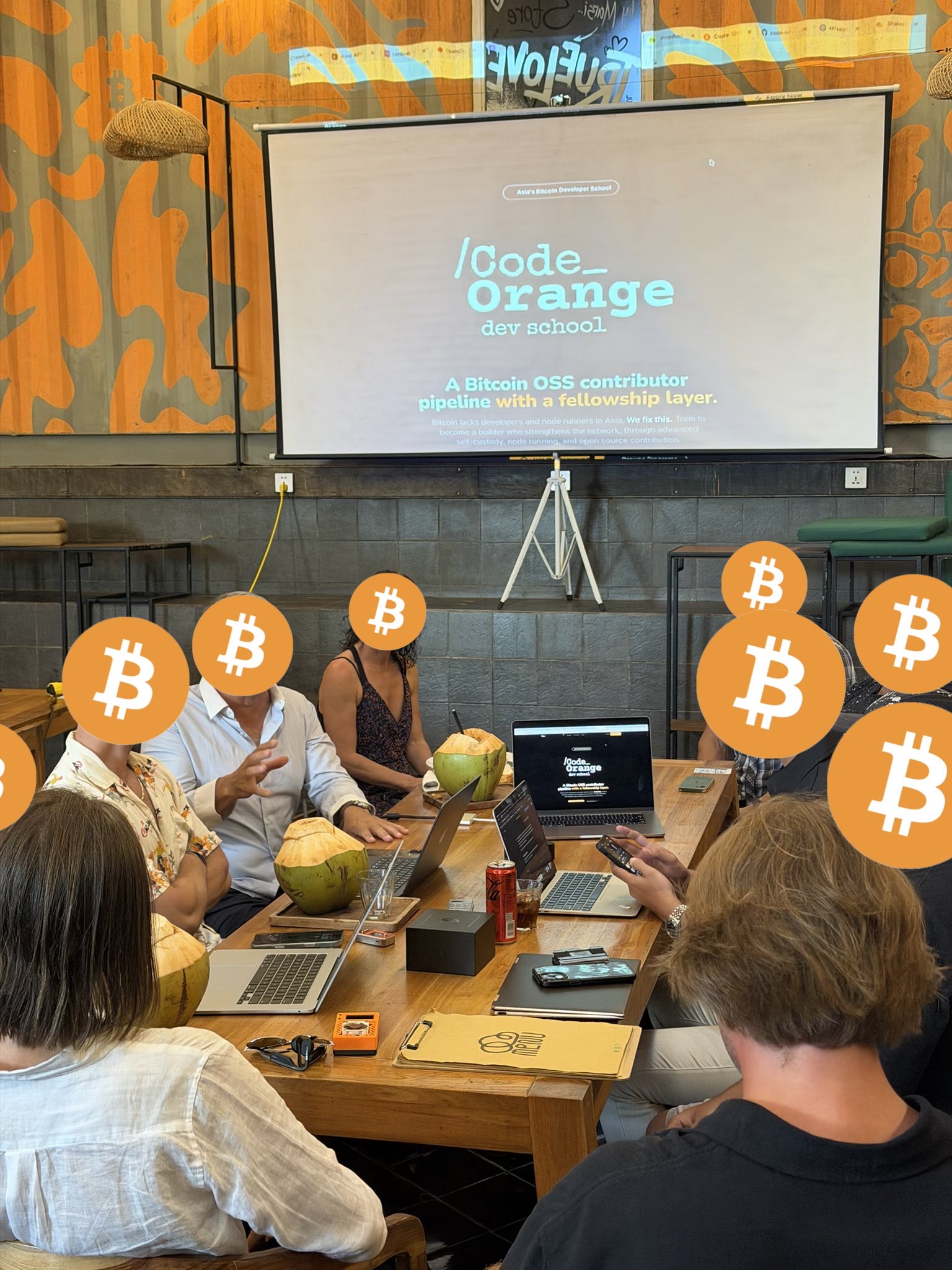
Almost all of Bitcoin’s software is open source, and almost nobody sells it. So who pays the people who write it? Mostly, it’s grants. Bitcoin developer grants let people work full-time or part-time on open-source Bitcoin projects, with no boss, no product to sell, and the code free for everyone.
If you have already started contributing and wonder how people turn it into a living, this guide is for you. It covers the main funders in 2026, who each one is for, and what we see work when developers in our community apply.
What a Bitcoin developer grant actually is
A grant is money given to you to work on something public. Usually that means:
- A monthly stipend for a fixed period, often 6 or 12 months.
- A clear scope: a project, or a kind of work such as code review.
- Public output: your pull requests, reviews and reports are visible to anyone.
- No equity and no ownership. The code stays open source.
Grants are not a reward for being clever. Funders are buying a bet: that you will keep showing up and that your work will make Bitcoin better. Everything below follows from that.
Bitcoin developer grants vs fellowships
People use the words loosely, but there is a useful difference.
- Grants usually go to developers who already have a track record. You show what you have done, and you ask for support to keep doing it.
- Fellowships and residencies are more like paid apprenticeships. They are for people earlier on, and usually come with a mentor, a cohort or a structured programme.
If you have never had a pull request merged, a fellowship or a training programme is the more realistic first step. If you have months of public work behind you, go for a grant.
Who funds open-source Bitcoin work in 2026
These are the funders most developers in our community know and apply to. Programmes change every year, so always check each site for the current rules.
Brink focuses on Bitcoin Core and protocol development. It funds experienced protocol developers and runs a fellowship for newer developers who want to work on the protocol with a mentor.
Spiral is funded by Block and gives grants to independent Bitcoin developers, often for work on Bitcoin Core, Lightning and developer tools.
Regional funders matter more each year. Btrust focuses on developers in Africa and the Global South, and Vinteum supports developers in Latin America. If you live outside Europe and North America, a regional funder can be the best fit, because they know your context.
Training first, funding later. Programmes like Chaincode Labs’ seminars and Summer of Bitcoin (a paid summer internship for students) are where many grantees started. They are not grants for ongoing work, but they give you the skills and the network that make a grant application believable.
What funders look for
We have watched many people apply, and the successful applications look alike.
1. Public proof of work. Funders look at your GitHub before they read your essay. Merged pull requests, careful code reviews and well-written issues all count. Review is underrated: it is one of the most useful things you can do for Bitcoin, and funders know it.
2. A real project with real maintainers. "I want to build a new wallet" is hard to fund. "I want to help maintain this library that three wallets already use, and the maintainers agreed" is much easier. Talk to maintainers before you apply.
3. A mentor or a reference. Someone respected in the project saying "yes, this person is useful" can matter more than anything you write about yourself.
4. A specific plan. Monthly goals that someone can check. Not "learn Rust" but "review 10 PRs in rust-payjoin and land the receiver timeout fix".
5. Consistency. Three months of steady, small contributions beat one big burst followed by silence.
How to get ready, step by step
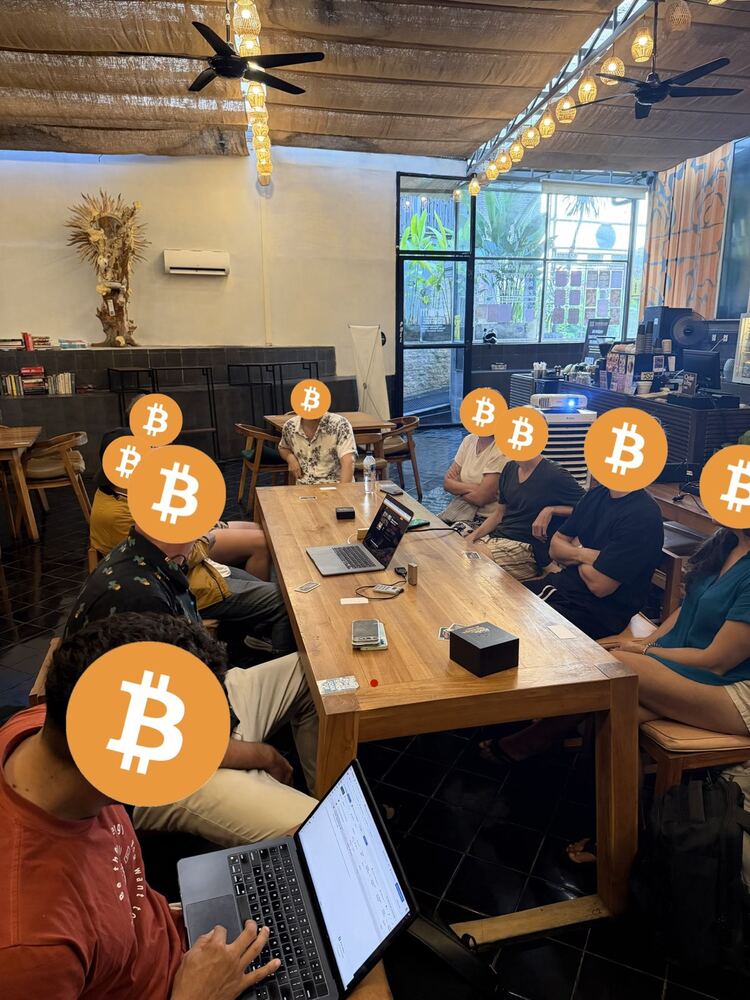
If you are not ready to apply yet, here is the path we use at Code Orange.
- Learn how Bitcoin works. Our free 10-week Decoding Bitcoin cohort covers transactions, scripts, keys and the network, the foundation every reviewer expects you to have.
- Pick one project and stick with it. Privacy projects such as Payjoin, Silent Payments and Floresta need contributors badly. Our Privacy Track walks you through them with real labs.
- Start with review and small fixes. Our guide How to Make Your First Contribution to Bitcoin Core shows you how, and the same approach works in any repo.
- Write in public. A short blog post or session notes about what you learned shows funders that you can communicate.
- Apply when your GitHub tells the story for you. For most people that’s after three to six months of steady work.
For the bigger picture, read How to Become a Bitcoin Developer in 2026.
Our own developer fellowship
At Code Orange we run a small developer fellowship for people who want to move from learning into real contributions to open-source Bitcoin or Nostr projects, with a mentor and monthly goals. Fellows keep a public proof-of-work page that shows their pull requests and reviews. Check the page for the current guidelines and whether applications are open.
Common mistakes
- Applying with no public work. Contribute first, apply second.
- Proposing a brand-new project nobody asked for. Build on something people already use.
- Vague goals. If a funder can’t check a goal, it isn’t a goal.
- Applying to everyone with the same text. Each funder has a focus. Explain why your work fits theirs.
- Going quiet after you’re funded. Regular, honest progress reports are how you get renewed.
Frequently asked questions
What are Bitcoin developer grants?
Bitcoin developer grants are payments, usually monthly, that fund people to work on open-source Bitcoin software. The code stays free and public, and the developer usually reports their progress openly.
Do I need to be an experienced developer to get a Bitcoin grant?
For most grants, yes: funders want to see public work first. If you are newer, look at fellowships, internships like Summer of Bitcoin, and free training such as Decoding Bitcoin to build that track record.
Are Bitcoin developer grants paid in bitcoin?
Often, yes. Many funders pay in bitcoin, and some offer a choice. Check each programme’s terms, and remember that grants may count as taxable income where you live.
Can I get a grant to work on Nostr?
Yes. Several funders support Nostr projects as well as Bitcoin ones, and some fellowships, including ours, accept Nostr projects.
How long does it take to get a grant?
Plan for a few months of contributing before you apply, then a review process that can take several weeks. Steady public work shortens both.
The easiest next step: join the Code Orange Discord, come to a Privacy Track or Code Review Club session, and start building the track record that funders look for.