

Bitcoin Core is the software most of the Bitcoin network runs on, and anyone can help improve it. You don’t need permission, a job at a Bitcoin company or a computer science degree. But if you have ever opened the repository and wondered where to even start, you are not alone.
This guide shows how to contribute to Bitcoin Core for the first time, the way we explain it in our weekly Code Review Club at Code Orange Dev School. The short version: start by reviewing and testing, not by writing code.
Why review comes before code
Most people imagine their first contribution as a clever new feature. In Bitcoin Core it almost never works that way. The project changes slowly on purpose, because a bug can put people’s money at risk.
What the project needs most is review and testing. There are always more open pull requests than people with time to check them carefully. If you review and test well, you are helping from day one, and you learn the codebase much faster than by reading it alone.
Step 1: Understand how Bitcoin works
Before reading the code, you need the concepts: transactions, scripts, blocks, the mempool and how nodes agree. If you are not there yet, start with our list of free Bitcoin courses or join our free Decoding Bitcoin study cohort.
You will also want to be comfortable running a node and using bitcoin-cli. Our guide How to Run a Bitcoin Node covers that.
Step 2: Build Bitcoin Core from source
Clone the code from github.com/bitcoin/bitcoin and build it yourself. The doc/ folder has build guides for Linux, macOS and Windows. Expect your first build to take a while, and expect to install a few dependencies along the way. That is normal.
Once it builds, start it on signet or regtest, the test networks, so you can experiment without real money.
Step 3: Run the tests
Bitcoin Core has two main kinds of tests:
- Unit tests, written in C++, that check small pieces of code.
- Functional tests, written in Python, that start real nodes and check how they behave together.
Run both. Then open a functional test in test/functional/ and read it. They are some of the easiest code in the project to understand, and they show you how the parts fit together.
Step 4: Read the contributor guides
Two files will save you a lot of mistakes:
- CONTRIBUTING.md explains how pull requests, commits and review work.
- doc/developer-notes.md covers the coding style and common patterns.
You will also see short review terms in comments. The most common ones:
- Concept ACK: I agree with the idea.
- ACK (often with the commit it refers to): I reviewed the code and think it should be merged.
- Tested ACK: I tested it and it works for me.
- NACK: I don’t think this should be merged, with a reason why.
Step 5: Review and test a real pull request
This is the most useful step of all. Pick an open pull request that touches something you understand, then:
- Read the description and any linked issue.
- Check out the branch, build it and run the tests.
- Try the change yourself, for example with
bitcoin-clion regtest. - Leave a comment saying what you tested, how, and what happened.
Even "I tested this on Ubuntu, here is what I ran, and it worked" is valuable. Ask questions if something is unclear. Good questions often find real problems.
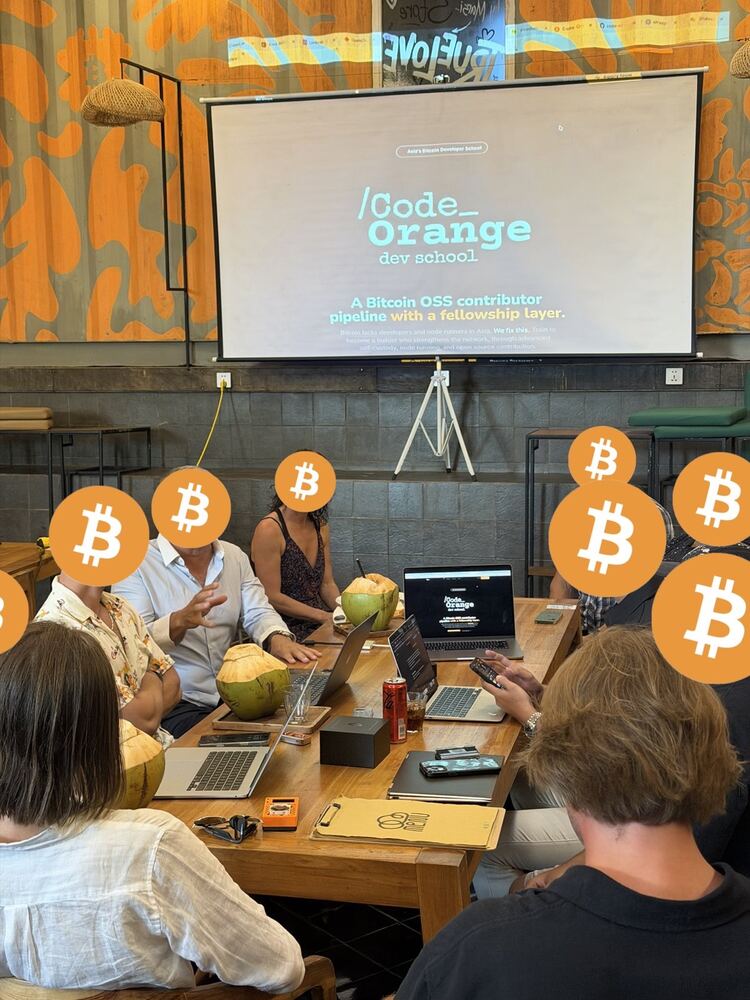
You don’t have to do this alone. The Bitcoin Core PR Review Club picks one pull request each week and walks through it with notes and questions. Our own Code Review Club on Discord does the same with pull requests from projects like Bitcoin Core, rust-bitcoin, rust-payjoin and BDK. Come and listen first, then join in.

Step 6: Open your first small pull request
After a few reviews, you will start noticing small things worth fixing. Good first pull requests are small and easy to check:
- A typo or unclear wording in documentation or code comments.
- A missing or weak test.
- A clearer error message.
- An issue labelled good first issue on GitHub.
Keep it to one small change, explain why it helps, and follow the commit message style in CONTRIBUTING.md. Then be patient. Reviewers are busy, and feedback can take weeks. Answer their comments politely, update your branch, and keep reviewing other people’s work in the meantime.
What if Bitcoin Core feels too big?
That’s fair. Bitcoin Core is a large C++ codebase. Many developers start in smaller projects first, such as BDK, rust-payjoin, LDK or Floresta, where it is easier to get a first change merged. The skills carry over. Our roadmap How to Become a Bitcoin Developer explains this path in more detail.
And if you want to work on open source full time, our developer fellowship pairs builders with a mentor and a real project.
Start this week
Pick one step from this guide and do it this week: build Bitcoin Core, run the tests, or review a single pull request.
The easiest next step: join the Code Orange Discord and come to the next Code Review Club. It’s free, and all levels are welcome.
Frequently asked questions
Do I need to know C++ to contribute to Bitcoin Core?
Not to start. You can review, test and improve documentation without writing C++. The functional tests are written in Python, which is a good way in.
What is the easiest first contribution to Bitcoin Core?
Testing an open pull request and writing down what you tested and what happened. After that, small documentation or test fixes make good first pull requests.
How long does it take to get a pull request merged?
It varies a lot. Small changes can take a few weeks, larger ones months. Reviewing other people’s pull requests helps build trust and gets more eyes on yours.
Can I get paid to contribute to Bitcoin Core?
Yes. Organisations such as Brink, OpenSats, Spiral and the Human Rights Foundation fund Bitcoin developers, usually after they have shown real contributions.
Where can I practise reviewing code with other people?
Join the Bitcoin Core PR Review Club, or our free Code Review Club on the Code Orange Discord, where we review real pull requests together.