

You don’t need to pay anyone to learn Bitcoin. The best material out there is free, much of it written by the people who build Bitcoin. The hard part is not finding a free Bitcoin course. It is picking the right one for where you are, and then actually finishing it.
This guide lists the free courses we point people to at Code Orange Dev School in Bali, sorted from "I just bought my first sats" to "I want to write Bitcoin code".
Before you pick a course: what do you want?
Be honest about your goal. It decides where you should start.
- "I want to understand what Bitcoin is and hold it safely." Start with the beginner section.
- "I want to know how it works under the hood." Go to the protocol section.
- "I want to build things or contribute code." Do the protocol courses first, then the developer ones.
You can skip ahead, but most people who skip the basics end up coming back to them.
Beginner: understand Bitcoin and use it
Use it first. The best beginner course is free and takes an afternoon: set up a wallet, write down your seed words, receive a small amount and send it back. Then look up your transaction on mempool.space. You will learn more from that than from an hour of videos. Our article Why Self-Custody Matters walks you through why this step is so important.
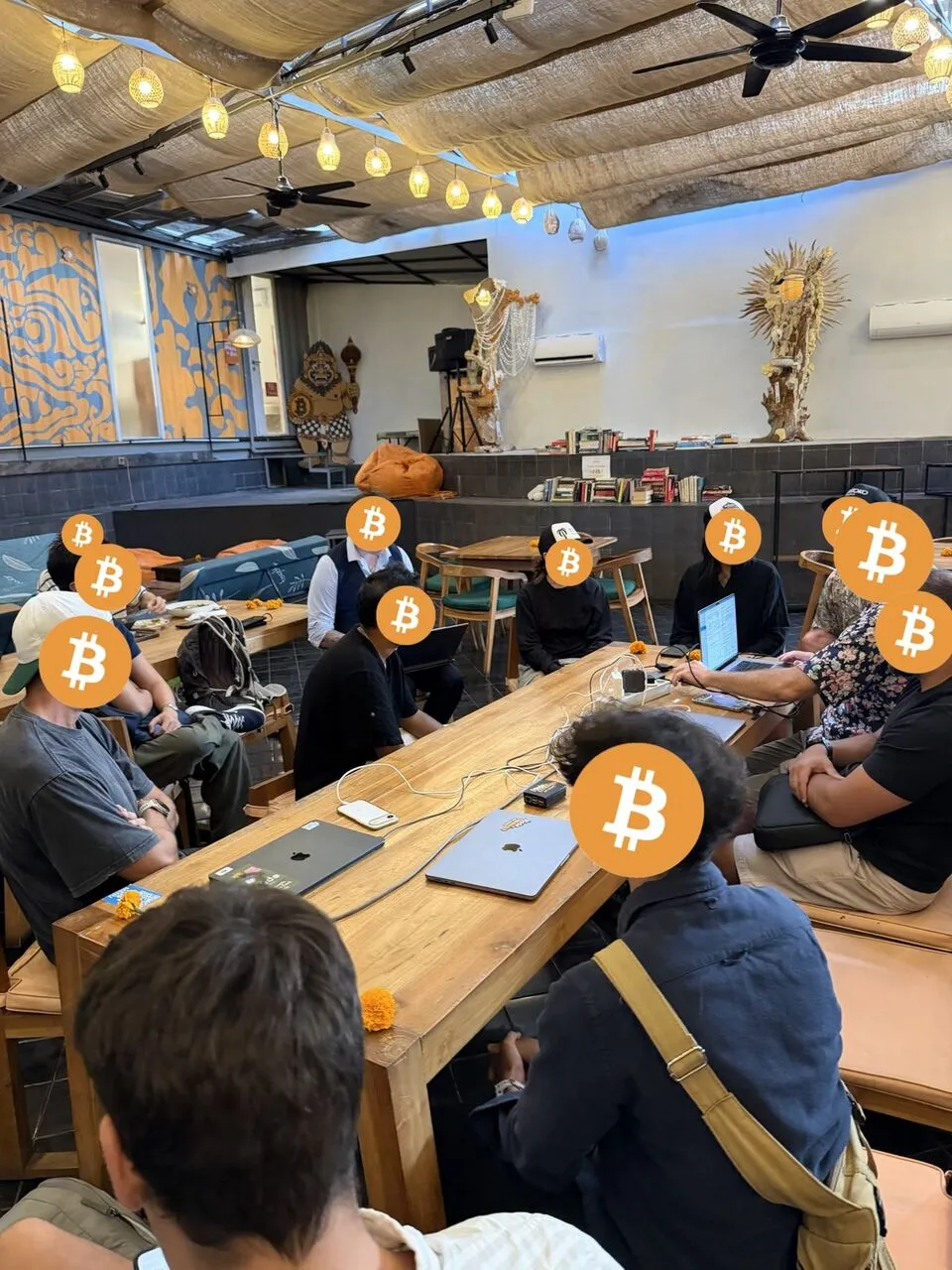
Come to a hands-on workshop. We run free self-custody and Sovereign Bitcoiner workshops in Bali and on Discord, where you set up a wallet with someone next to you who can answer questions. See the calendar.
Protocol: how Bitcoin actually works
This is where most people get hooked. Once you see how transactions, keys and blocks fit together, Bitcoin stops being magic.
Decoding Bitcoin by The Bitcoin Dev Project (bitcoindevs.xyz/decoding). Interactive lessons that take you from hashing and keys to transactions, scripts and Taproot, with small exercises along the way. No coding needed to start. This is our top pick for a first real Bitcoin course.
Mastering Bitcoin by Andreas M. Antonopoulos and David A. Harding. The classic book on how Bitcoin works, free to read online on GitHub. It goes deep, so treat it as a reference you come back to, not a book you finish in a weekend.
Learning Bitcoin from the Command Line by Blockchain Commons (GitHub). A hands-on tutorial where you talk to your own node with bitcoin-cli. Great once you have a node running. Our guide How to Run Your Own Bitcoin Node gets you there.
Developer: start building
Programming Bitcoin by Jimmy Song, free on GitHub. You build a small Bitcoin library in Python from scratch: elliptic curves, transactions, scripts. It is challenging, but nothing beats writing the code yourself to understand it.
Code Review Club. Reading other people’s code is how most Bitcoin Core contributors learned. Our weekly Code Review Club on Discord picks a real pull request and goes through it together. You don’t need to be an expert to join and listen.
Privacy Track. Our twice-monthly sessions on Bitcoin privacy tools like PayJoin, Silent Payments and coinjoin, often with live demos. Start with the Privacy Track page or our plain-English guide What Is PayJoin?.
If you want the full path from learning to contributing (and getting paid for it), read How to Become a Bitcoin Developer in 2026.
Why most people never finish a free course
Free courses have one big weakness: nobody notices when you stop. Most people open a course with good intentions, do two lessons, get busy, and never come back.
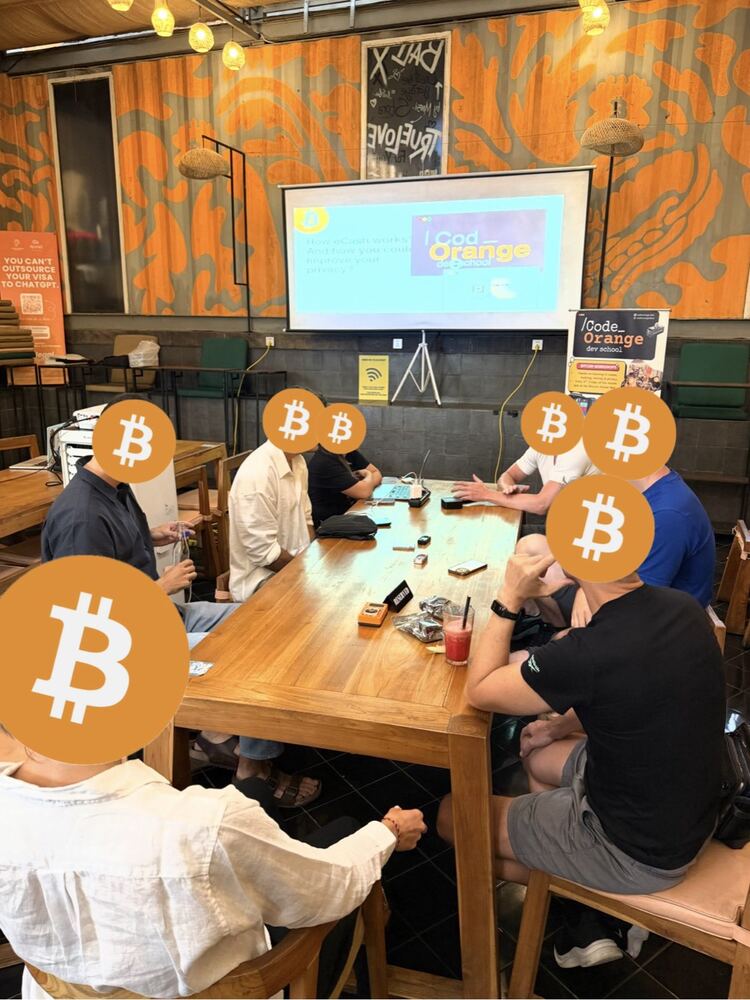
What actually works is studying with other people:
- A fixed time each week. It’s easier to keep a habit when it’s on your calendar.
- People who expect you. It is much harder to skip when your study group will notice.
- Someone to ask when you are stuck. One answered question can save you a week of frustration.
That’s why we run Decoding Bitcoin as a free 10-week study cohort on Discord. You read a few lessons during the week, then every Monday we go through them together, ask questions and help each other. Beginners are welcome, and you don’t need to know how to code.
The next cohort starts Monday 16 November 2026, 7pm WITA (UTC+8).
More free resources
We keep every link shared in our sessions (books, tools, wallets, articles) in one searchable resource library, sorted by topic. Recaps of past sessions, with the recordings, are on our session notes page.
Start today
Pick one course from this list and do the first lesson today. Then find people to learn with.
The easiest next step: sign up for the Decoding Bitcoin cohort, or join the Code Orange Discord and come to a free session this week.
Frequently asked questions
Is there a good free Bitcoin course for complete beginners?
Yes. Start by setting up your own wallet and making a small payment, then take Decoding Bitcoin by The Bitcoin Dev Project. It starts from the basics and needs no coding.
Are free Bitcoin courses as good as paid ones?
Often better. The best-known Bitcoin learning material, such as Mastering Bitcoin and Decoding Bitcoin, is free and written by people who work on Bitcoin.
How long does it take to learn how Bitcoin works?
A few hours a week for two to three months is enough to understand transactions, keys, scripts and blocks. Our Decoding Bitcoin cohort covers it in 10 weeks.
Do I need to know how to code to take a Bitcoin course?
No. Beginner and protocol courses need no coding. You only need to code for developer courses like Programming Bitcoin.
Is there a free Bitcoin course with live sessions?
Yes. Code Orange runs Decoding Bitcoin as a free 10-week study cohort with live weekly sessions on Discord, plus free workshops in Bali. See codeorange.dev/decoding-bitcoin.